Lawn Mowing in Stockwell

Our lawn mowing in Stockwell is built around tidy, even cutting and a finish that suits the character of the garden rather than forcing a one-size approach. We work with regular lawns, overgrown grass that needs bringing back under control, and outdoor areas that benefit from a clean, consistent cut. The aim is straightforward: maintain a healthier looking lawn, reduce patchiness caused by uneven cutting, and leave edges and borders looking deliberate rather than neglected.
For many homes and shared outdoor spaces, the main decision is not whether the grass can be cut, but how often it should be kept under control and what other work belongs alongside it. We can combine mowing with light tidying, basic edging and general garden upkeep where it is useful. Reliable routine care often matters more than dramatic intervention, especially where the lawn is part of a wider garden that is used often and needs to stay presentable throughout the season. If you are planning a quotation, it helps to think about the size of the lawn, access, and whether there are awkward corners or slopes that need special attention.
Use this service when you want a practical, regular approach to grass cutting in Stockwell. If you are comparing options, our team can outline what is included and what the work may involve before anything is booked. Tell us what you need and we can talk through the most suitable mowing pattern, cutting frequency and any simple additions that may improve the final result.
Routine mowing and seasonal lawn care
Regular mowing is the foundation of most lawn care plans, but the best approach depends on growth rate, grass condition and how the space is used. Cutting too much at once can leave the lawn stressed, while leaving long intervals between visits can make the job heavier and the result less even. Our lawn mowing work in Stockwell is therefore best understood as a maintenance service that keeps grass manageable and attractive without unnecessary disruption to the rest of the garden.
Seasonal changes affect the way lawns respond to cutting. In active growing periods, a lighter and more frequent cut can help keep the surface neater, while slower growth may call for less frequent visits and a careful finish. We can also account for simple practical details such as damp ground, narrow side access, or edging around paths and paving. If you already know that parts of the lawn are thin, patchy or shaded, that information helps shape a sensible mowing plan.
Alongside the main cut, many customers also want the garden to feel generally more orderly. That is where related work becomes useful, especially if grass growth has started to spill into borders or around hard landscaping. Garden maintenance can complement mowing where the wider space needs regular attention rather than one isolated visit. It is often the combination of these modest tasks, carried out consistently, that gives a lawn a better long-term appearance.
What our mowing service can include

Different lawns need different levels of work, so the service can be adapted to suit the condition and layout of the space. In practical terms, that may include a standard cut, a neatened finish around edges, and basic attention to awkward sections that are easy to miss on a quick pass. Where grass has become too long for a normal maintenance cut, the work may need to be handled as a more careful reduction rather than a simple tidy-up.
Useful mowing tasks often sit alongside other small forms of garden care. For example, borders can be edged to sharpen the line between lawn and planting area, and overhanging growth can be managed so the grass is not hidden beneath surrounding vegetation. Where the whole outdoor area needs a refresh, mowing may be paired with selective clearance work or trimming in order to create a more balanced result. These are sensible additions, not automatic extras, and they should be chosen according to the condition of the garden.
When deciding what to request, it can help to think in terms of outcomes rather than labels. A neat, even lawn is one outcome; a more manageable and healthier-looking garden is another. If the lawn is only one part of the wider job, a broader service can be more practical than a cut alone. The next step is usually to outline the condition of the grass, the access to the site and any features that need care around them.
Edging, finish and garden presentation
A lawn often looks better once the edges are given the same attention as the centre. This is because the visual quality of a cut is shaped just as much by clean boundaries as by the height of the grass itself. Paths, beds, fences and paved areas all benefit when the line between lawn and surrounding surfaces is clear. For many customers, a sharp finish is what makes the difference between a grass cut and a properly maintained garden.
Finish matters even more in spaces that are visible from the front of the property or used regularly by family, visitors or tenants. An even cut, sensible trimming around obstacles and a tidy perimeter can make the whole area feel better cared for without needing heavier work. Small finishing details are often the things people notice first. If your garden includes narrow runs, corners, or uneven sections, it is sensible to mention them when asking for a quotation so the work can be planned accurately.
For some properties, the lawn is best treated as part of a wider presentation job rather than a stand-alone task. That may mean pairing mowing with border work, light clearance or a general tidy so the whole outdoor space feels cohesive. If you want to compare related services, garden clearance is useful where overgrowth, debris or accumulated cuttings need to be dealt with before the lawn can be properly maintained again.
Overgrown lawns and heavier first cuts
When grass has been left for longer than usual, the work becomes less about routine maintenance and more about restoring the lawn to a manageable condition. A heavier first cut needs care, because removing too much growth at once can leave the turf looking stressed or uneven. In these cases, the process may involve a staged approach that brings the lawn down in sensible steps and leaves it in better shape for future upkeep.
Longer grass can also hide uneven ground, edging problems and border intrusion, so a careful first visit is often about much more than simply lowering the blade. Paths may need clearing around the edges, and surrounding plants or structures may need to be considered while cutting. Where the lawn has become part of a larger neglected area, a combination of mowing and garden clearance can be more effective than a cut alone. That way, the result is not just shorter grass but a more workable outdoor space.
If the lawn has grown beyond standard maintenance level, it is worth describing the extent of the growth and whether the space includes difficult access or uneven surface areas. This helps determine the most sensible method and whether any additional trimming or clearance should be included. A careful first cut can make the difference between a temporary tidy-up and a lawn that is ready for regular upkeep.
Simple upkeep, access and preparation
There are a few practical points that help make lawn mowing more efficient without turning the enquiry into a long checklist. Knowing the approximate size of the lawn, whether gates or side access are narrow, and whether the grass is dry enough for cutting gives a better basis for planning. If there are items on the lawn, temporary obstructions or areas that should be left alone, it is best to mention those at the outset.
For routine visits, a small amount of preparation can save time and improve the result. For example, removing movable items from the grass, giving clear access to the main cutting area and identifying any delicate features such as ornaments, young planting or hidden edges all help the work go smoothly. Clear information is usually more valuable than a long description, especially when the main aim is simply to keep the lawn neat and manageable. It also helps the quotation reflect the actual work rather than a guess.
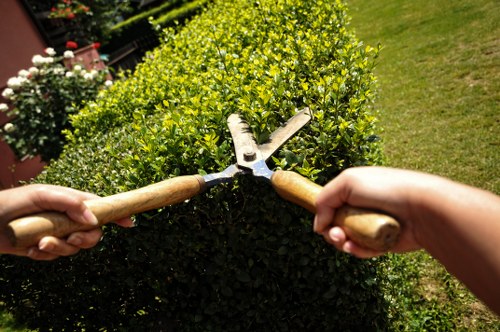
If you want a broader outdoor tidy alongside mowing, it may be useful to consider whether trimming or general maintenance should be included. Hedge trimming can be relevant where surrounding growth is shading the lawn or making the garden feel cramped, while a wider maintenance visit can bring several small jobs together in one sensible appointment.
Garden maintenance alongside mowing
Some customers want lawn cutting only, while others want the grass kept in step with the rest of the garden. That is where a maintenance-led approach becomes useful. Mowing on its own may leave borders, edges or adjoining growth looking uneven, so the whole space can benefit when several small tasks are combined thoughtfully. The right mix depends on the state of the garden and the result you want to achieve.
A maintenance visit might include tidying around the lawn, light cutting back of soft growth that is intruding into the grass, or a broader refresh of the outdoor area so the mowing looks intentional rather than isolated. Where shrubs, hedges or other features frame the lawn, it may also make sense to consider whether neighbouring areas need separate attention. That can improve the overall appearance while keeping the lawn itself easier to maintain on the next visit.
For properties where the garden is used regularly, a practical maintenance plan often feels more efficient than waiting until the lawn becomes difficult to manage. If you are trying to decide how much work to request, think about the whole surface: the grass, the borders, the access routes and any growth that is affecting the shape of the space. That gives a better basis for a quotation and for choosing whether a simple mow or a broader service is the better fit.
About Stockwell

Stockwell is an area in south London within the London Borough of Lambeth, close to central routes yet distinct in character through its mixture of housing, transport connections and public spaces. The name is long established and appears in records stretching back many centuries, with the settlement developing around the road network south of the Thames. Over time, Stockwell shifted from a more rural edge of London into a densely built urban district, and traces of those changes can still be read in the local street pattern and building stock. The area sits between Brixton, Vauxhall and Clapham, giving it a position that is both well connected and locally defined. Stockwell Underground station is a major landmark in everyday movement through the area, and the surrounding streets reflect different phases of growth, from Georgian and Victorian terraces to later twentieth-century development. The district also has cultural associations shaped by migration and community life, and those influences are visible in shops, places of worship, food businesses and street activity. Open spaces such as nearby parks and smaller local green corners offer contrast to the built-up roads, while the broader setting links the neighbourhood to the River Thames corridor and central London beyond. The result is a place that feels urban, lived-in and layered, with architecture and transport playing a prominent role in its identity.
Choosing the right mowing approach
Not every lawn needs the same treatment. Some gardens respond best to light, frequent mowing that keeps growth under control, while others benefit from a more flexible plan that takes account of shade, weather and slower recovery. The right approach depends on how the grass is used, how much wear it receives and whether the lawn is part of a decorative front garden or a more functional rear space. Good mowing is as much about judgment as it is about machinery.
Where the lawn is stressed, patchy or uneven, it is better to be careful than aggressive. A balanced cut helps avoid unnecessary strain on the grass and supports a more even appearance over time. If the lawn is part of a mixed garden with paths, beds and hard edges, the cutting method should also respect those features rather than flattening them into a generic finish. Careful judgement is especially important when lawns have not been maintained to a steady schedule.
For a larger or more neglected outdoor space, it can be helpful to combine mowing with other work from a related service. Landscape gardening may be relevant where the lawn is only one part of a broader update, while a more straightforward mowing plan is usually enough where the aim is ongoing upkeep. Either way, the starting point is the condition of the grass and the finish you want to see.
Quotations, pricing factors and next steps

When asking for a quotation, it helps to focus on the features that affect the amount of work rather than trying to describe everything at once. Lawn size, the length of the grass, access, edging requirements and any surrounding growth that needs attention are usually the main factors. If a lawn has awkward corners, steps, a sloping section or a more complex layout, those details are useful because they shape how the work is priced and scheduled.
We keep the process simple: explain the lawn condition, say whether you want a one-off mow or ongoing maintenance, and mention any nearby work you want considered at the same time. If the garden needs more than mowing, services overview can help you decide how the different options fit together before you request a price. Then you can ask for a quotation with a clearer idea of what should be included.
If you are ready to talk through your lawn mowing in Stockwell, send the details you have and ask for a quotation. For related service information, pricing and quotes is a useful next step, and our team can then discuss the most suitable way to handle your grass cutting requirements.


